Rope Care and Maintenance Guide - Marine Rope Care
Proper marine rope care extends rope life, maintains peak performance, and ensures safety at sea. Our comprehensive maintenance guide provides professional techniques to protect your investment and keep your rope in optimal condition throughout its service life.
Why Proper Rope Care Matters
- Safety First - Well-maintained rope performs reliably when you need it most
- Cost Savings - Proper care can double or triple rope service life
- Performance - Clean, well-maintained rope handles better and holds loads effectively
- Peace of Mind - Regular maintenance prevents unexpected failures
- Investment Protection - Quality marine rope represents significant investment
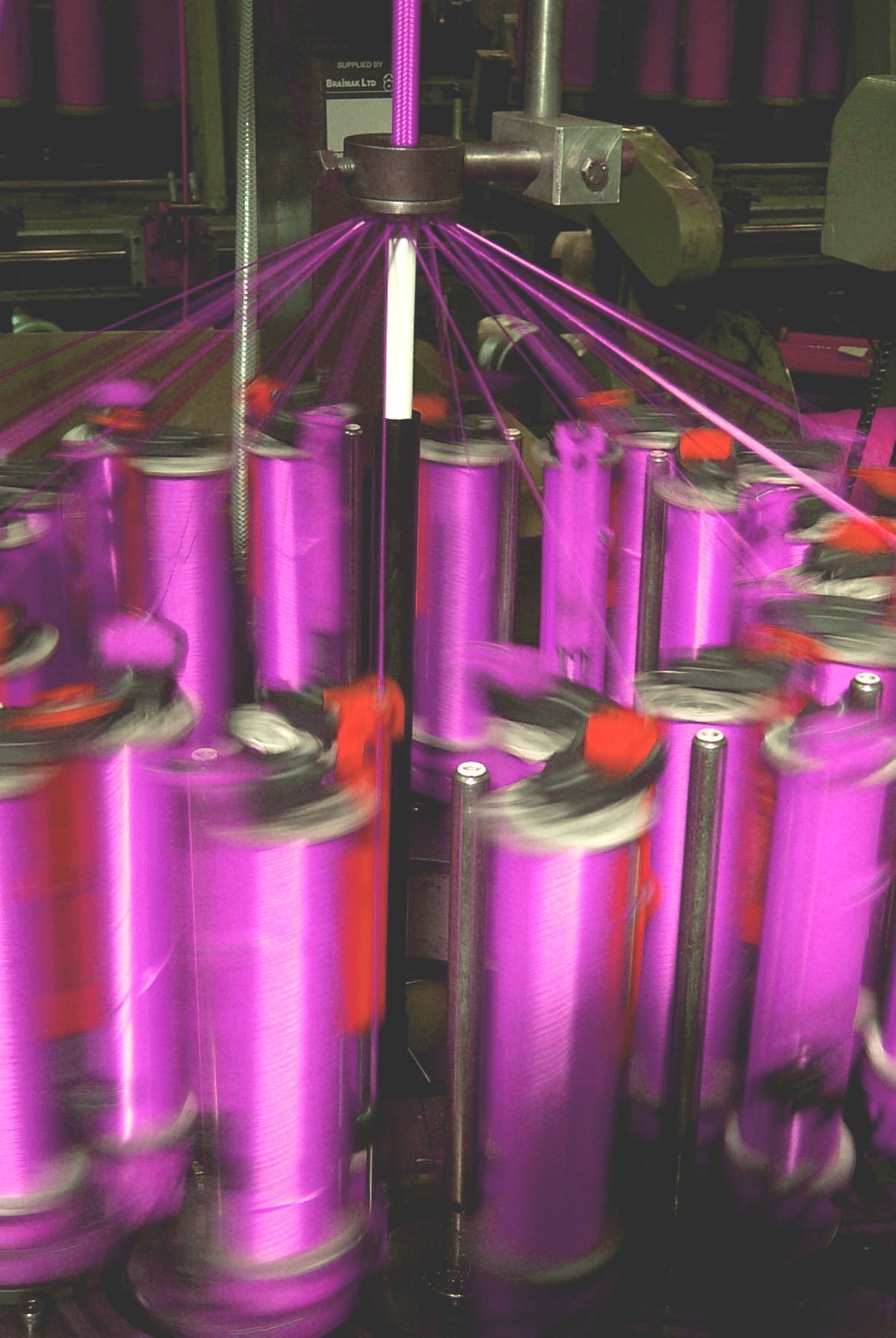
Professional rope manufacturing ensures quality construction that benefits from proper maintenance
Regular Rope Inspection
Systematic inspection is the foundation of good rope maintenance:
Visual Inspection Checklist
- Surface Condition: Look for fuzzy, fluffy appearance (normal light wear)
- Broken Yarns: Individual strands pulled out or broken
- Core Exposure: Inner core showing through outer cover
- Contamination: Oil, chemicals, or excessive dirt buildup
- Hardware Damage: Cuts from sharp edges or hardware
Physical Inspection
- Feel for Stiff Spots: May indicate internal damage
- Check Flexibility: Rope should bend naturally
- Test Core Movement: In braid-on-braid, core shouldn't slide
Replacement Indicators
Know when rope has reached end of service life:
Immediate Replacement Required
- Core Visible: Sheath worn through to core
- Broken Strands: Multiple yarns or strands broken
- Chemical Damage: Contamination from acids/alkalis
- Excessive Wear: More than 10% diameter reduction
- Stiff Sections: Areas that won't flex properly
Plan Replacement Soon
- General Fuzziness: Widespread fiber wear
- Multiple Wear Points: Several damaged areas
- Age: 5+ years of regular marine use
- Unknown History: Uncertain maintenance/usage
Professional Rope Cleaning Techniques
Proper cleaning removes damaging contaminants and extends rope life:
| Cleaning Method | When to Use | Process | Important Notes |
|---|---|---|---|
| Fresh Water Rinse | After every salt water use | Thorough rinse with fresh water, air dry | Essential for removing salt crystals |
| Mild Soap Wash | Monthly or when visibly dirty | Hand wash in warm water with mild soap, rinse thoroughly | Never use washing machine - damages rope structure |
| Deep Clean | Seasonal maintenance or heavy contamination | Soak in dilute soap solution, brush gently, extensive rinsing | Allow extra drying time for thick ropes |
| Emergency Clean | Chemical contamination, oil spills | Immediate fresh water flush, seek professional advice | May require rope replacement - internal damage possible |
Proper Storage Techniques
Correct storage prevents damage during off-season or extended periods:
Storage Environment
- Dry Location: Prevent mold and rot in natural fibers
- Good Ventilation: Allow air circulation around rope
- Away from UV: Direct sunlight degrades synthetic fibers
- Chemical Free: Away from acids, alkalis, solvents
- Pest Free: Rodents can damage rope
Storage Methods
- Coil and Hang: Prevents kinks and allows air flow
- Rope Bags: Breathable bags for smaller lines
- Never Knot: Knots create stress points during storage
Hardware Compatibility
Proper hardware prevents premature rope wear:
Critical Sizing
- Sheave Diameter: Minimum 8:1 ratio to rope diameter
- Cleat Size: Proper fit prevents crushing fibers
- Fairlead Radius: Smooth curves prevent sharp bends
- Block Loading: Check working load limits
Wear Prevention
- Chafe Guards: Protect rope at contact points
- Sharp Edge Elimination: File or pad rough surfaces
- Regular Repositioning: Move wear points periodically
- Load Distribution: Avoid concentrated stress points
UK Marine Environment Considerations
British waters present specific challenges requiring targeted maintenance approaches:
UV Protection
UK summer sun still degrades rope fibers:
- Cover stored rope
- Use UV-resistant covers
- Rotate exposed sections
- Store halyards below deck when possible
Salt Water Exposure
Regular salt water contact requires diligent maintenance:
- Fresh water rinse after every use
- Monthly deep cleaning in season
- Check for salt crystal buildup
- Pay attention to splices and knots
Temperature Cycling
UK temperature variations affect rope materials:
- Allow gradual temperature changes
- Check flexibility in cold weather
- Inspect after freeze/thaw cycles
- Store in moderate temperatures
Professional Maintenance Tips
Expert advice from decades of experience supplying rope to UK mariners:
Pro Tip #1: Halyard Protection
When leaving your boat for extended periods, pull all halyards to the masthead with a sacrificial line. Store the working halyards in a bag at the mast base - keeps expensive rope out of UV exposure.
Pro Tip #2: Replacement Strategy
Replace one rope each year rather than replacing your entire rope inventory at once. Spreads cost and ensures you never have all old rope simultaneously.
Pro Tip #3: Load Cycling
Avoid leaving rope under constant high load for extended periods. Continuous stress causes creep and reduces service life - ease sheets and halyards when at anchor.
Pro Tip #4: Splice Maintenance
Eye splices last longer than knots and retain more strength. Invest in professional splicing for critical applications - the cost is recovered through extended rope life.
Common Rope Care Mistakes
Avoid these frequent errors that reduce rope performance and lifespan:
Mistake #1: Machine Washing
Problem: Washing machines damage rope construction and cause tangling
Solution: Always hand wash in mild soap solution with gentle agitation
Mistake #2: Ignoring Salt Buildup
Problem: Salt crystals cut fibers from inside, causing hidden damage
Solution: Fresh water rinse after every salt water exposure
Mistake #3: Improper Storage
Problem: Storing rope with knots creates permanent weak points
Solution: Always store rope unknotted in loose coils
Mistake #4: Chemical Contamination
Problem: Battery acid, cleaning chemicals degrade rope strength invisibly
Solution: Store rope away from chemicals, replace if contaminated
Mistake #5: Hardware Mismatch
Problem: Wrong-sized cleats and blocks damage rope prematurely
Solution: Verify hardware compatibility before installation
Mistake #6: Delaying Replacement
Problem: Using worn rope beyond safe service life
Solution: Replace rope at first signs of serious deterioration
Seasonal Maintenance Schedule
Follow this maintenance calendar for optimal rope care throughout the UK sailing season:
| Season | Maintenance Tasks | Focus Areas | UK-Specific Considerations |
|---|---|---|---|
| Spring Preparation | Full inspection, deep cleaning, UV protection setup | Check for winter damage, replace questionable rope | Prepare for increased UV exposure in longer days |
| Summer Active Season | Fresh water rinse after use, regular inspection | Monitor high-use areas, chafe protection | Peak UV damage period - use covers when possible |
| Autumn Wind Season | Thorough inspection, prepare for storms | Check storm lines, dock line condition | Heavy weather preparation - replace marginal rope |
| Winter Storage | Clean thoroughly, dry completely, proper storage | Remove from UV exposure, controlled environment | Protect from freeze/thaw cycles, ensure dry storage |
Professional Rope Services and Support
Sometimes professional services provide the best solution for rope care and maintenance:
Professional Services
- Rope Inspection: Expert assessment of rope condition and remaining life
- Custom Splicing: Professional eye splices and repairs for maximum strength
- Replacement Planning: Advice on rope selection and replacement timing
- System Design: Optimal rope configurations for your vessel
- Emergency Repairs: Quick turnaround for urgent requirements
Expert Consultation
- Material Selection: Best rope types for your specific applications
- Maintenance Programs: Customized care schedules for your usage
- Problem Diagnosis: Identify causes of premature rope failure
- Cost Optimization: Balance performance, durability, and budget
- UK Marine Expertise: Local knowledge of British sailing conditions
Remember: Your Rope is Safety Equipment
Modern marine rope represents sophisticated engineering using advanced materials and construction techniques. This is not 'just a bit of rope' - it's critical safety equipment that deserves proper care and respect.
Investment Protection
Quality marine rope represents a significant investment. Proper maintenance can double or triple its service life, providing excellent return on the time invested in care.
Safety Assurance
Well-maintained rope performs reliably when you need it most. Regular care and inspection ensure your rope will be there for you in critical situations.
When in doubt about rope condition or maintenance, seek professional advice. It's always better to be safe than sorry when it comes to your safety at sea.