Marine Rope Buying Guide - How to Choose the Best Marine Rope
Selecting the best marine rope for your boat requires understanding materials, applications, and sizing. Our comprehensive guide provides expert recommendations from experienced UK sailors to help you make the right choice for your vessel and sailing conditions.
Quick Selection Guide
- Mooring and Anchor Lines: Nylon rope for shock absorption
- Mooring Warps and Docklines: Dock lines mooring ropes for tidal movement accommodation
- Sheets & Halyards: Polyester rope for minimal stretch
- Safety Lines: Floating polypropylene for visibility
- Anchor Systems: Anchor rope and chain for complete setups
- Braided Rope: Polyester braid for low stretch and high strength applications
- Decorative Rope: Macramé rope for decorative and craft projects
- Performance Lines: Specialty marine line for racing and high-performance sailing applications
Popular Rope Sizes
- 6mm Yacht Rope: Ideal for light-duty applications, control lines, and smaller vessels
- 8mm Marine Rope: Ideal for sheets, halyards, and general purpose use on small to medium boats
- 10mm Marine Rope: Ideal for sheets, halyards and docklines on smaller yachts
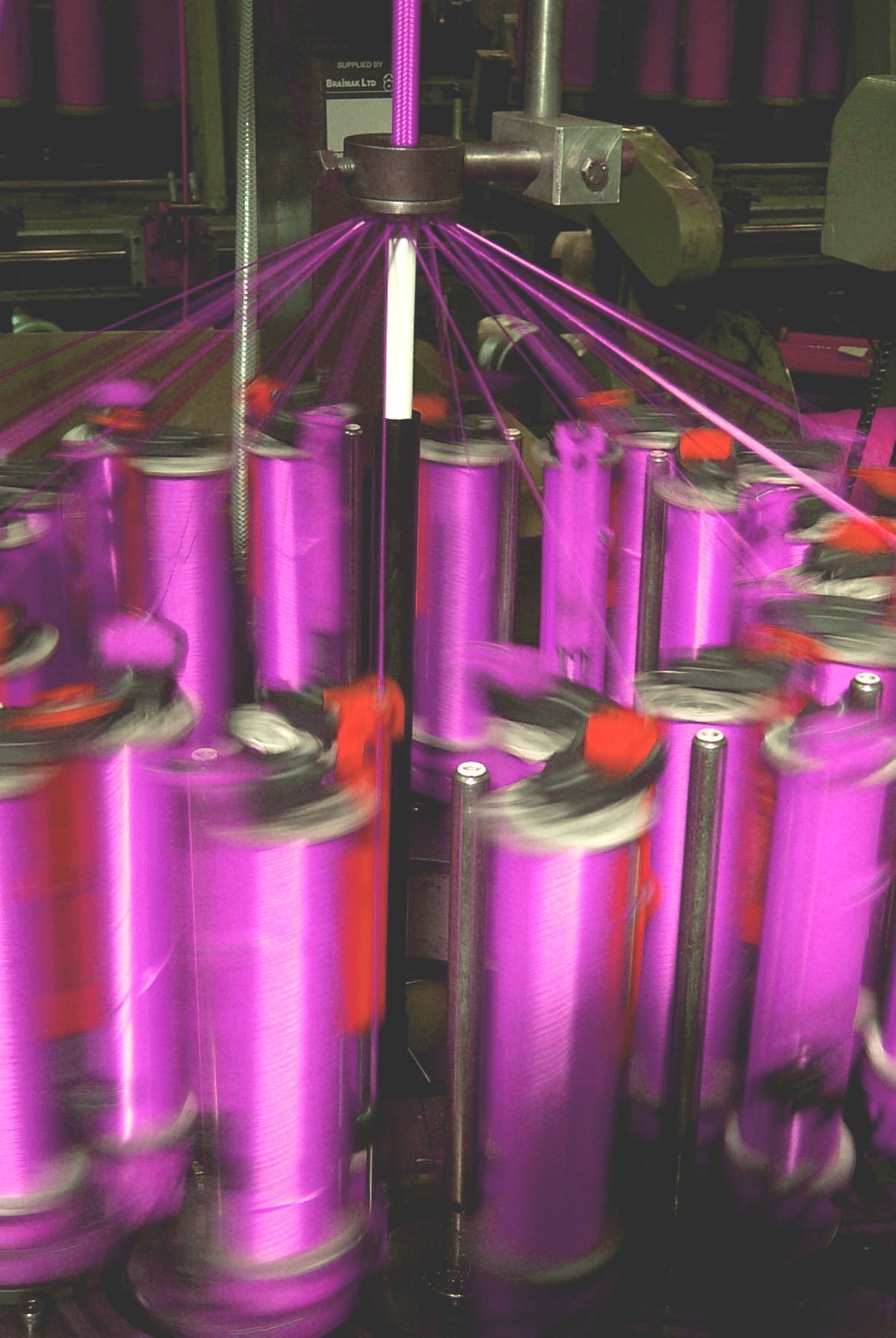
Understanding quality rope construction helps you make informed buying decisions
Step 1: Identify Your Application
Different marine applications require different rope characteristics:
Anchoring & Mooring
- Anchor Lines: Need elasticity to absorb shock loads
- Dock Lines: Require stretch for tidal movement
- Permanent Moorings: Need durability and UV resistance
Sail Handling
- Sheets: Low stretch for sail control precision
- Halyards: Minimal stretch to maintain sail shape
- Control Lines: Good grip and handling characteristics
Step 2: Choose Your Material
Each rope material has specific advantages:
Material Comparison
- Nylon: 15-20% stretch, excellent for anchoring
- Polyester: 3-5% stretch, ideal for sail control
- Polypropylene: Floats, perfect for safety lines
- Dyneema: Minimal stretch, maximum strength
UK Conditions: Consider UV exposure, salt water, and tidal ranges when selecting materials.
Marine Rope Material Selection Guide
Understanding the characteristics of different rope materials helps you choose the best marine rope for your specific needs:
| Material | Stretch % | Best Applications | Key Benefits | UK Marine Considerations |
|---|---|---|---|---|
| Nylon | 15-20% | Anchor lines, dock lines, mooring | Shock absorption, durability, abrasion resistance | Ideal for tidal waters, absorbs boat movement |
| Polyester | 3-5% | Sheets, halyards, control lines | Low stretch, UV resistant, maintains shape | Perfect for sail control in variable UK winds |
| Polypropylene | 10-15% | Safety lines, rescue equipment | Floats, lightweight, chemical resistant | High visibility in UK waters for safety |
| Dyneema | <2% | Racing sheets, high-load applications | Maximum strength, minimal stretch, lightweight | Premium choice for competitive sailing |
Step 3: Calculate Correct Diameter
Proper rope sizing is critical for safety and performance:
Sizing Factors
- Boat Length: Larger boats need thicker rope
- Load Requirements: Consider maximum expected loads
- Hardware Compatibility: Must fit existing cleats/blocks
- Handling Comfort: Thicker rope easier to grip
Professional Tip: When in doubt, go one size larger - the safety margin is worth the small extra cost.
Step 4: Consider UK Conditions
British waters present specific challenges:
UK-Specific Factors
- Tidal Range: Large tides require elastic dock lines
- Weather Exposure: UV treatment essential for longevity
- Rocky Seabeds: Abrasion resistance crucial for anchoring
- Variable Conditions: Versatile rope selection beneficial
Local Expertise: Our team sails UK waters and understands these conditions intimately.
Marine Rope Diameter Sizing Guide
Choose the correct diameter based on your boat size and application: Rope Size Guide
| Boat Length | Anchor Line | Dock Lines | Sheets | Halyards |
|---|---|---|---|---|
| Up to 8m (26ft) | 10-12mm | 10-12mm | 8-10mm | 6-8mm |
| 8-12m (26-40ft) | 12-14mm | 12-14mm | 10-12mm | 8-10mm |
| 12-15m (40-50ft) | 16-18mm | 14-16mm | 12-14mm | 10-12mm |
| Over 15m (50ft+) | 18mm+ | 16mm+ | 14mm+ | 12mm+ |
Note: These are general guidelines. Consult our experts for specific recommendations based on your boat, sailing style, and typical conditions.
Expert Recommendations for UK Waters
Based on decades of experience supplying rope to UK sailors, here are our top recommendations:
Best All-Round Choice
Three-strand nylon for anchor and dock lines, combined with braided polyester for sheets and halyards. This combination handles 90% of cruising needs effectively.
Premium Performance
Polyester/Dyneema blend for racing applications where low stretch and high strength are essential. Perfect for competitive sailors demanding maximum performance.
Safety First
Always carry floating polypropylene as emergency line. Its buoyancy makes it ideal for man-overboard situations and visible safety lines.
Best Value
For budget-conscious sailors, three-strand polyester offers excellent durability and performance at competitive prices. Suitable for most applications.
Common Marine Rope Buying Mistakes
Avoid these frequent errors when selecting marine rope:
Mistake #1: Wrong Material Selection
Problem: Using polyester for anchor lines (no shock absorption)
Solution: Always use nylon for anchoring applications
Mistake #2: Undersizing Diameter
Problem: Rope too thin for loads, difficult to handle
Solution: Follow sizing guidelines, consider one size up
Mistake #3: Ignoring Hardware
Problem: Rope doesn't fit existing cleats or blocks
Solution: Measure hardware before ordering rope
Mistake #4: Cheap False Economy
Problem: Low-quality rope fails when you need it most
Solution: Invest in marine-grade rope from reputable suppliers
Need Personal Advice on the Best Marine Rope?
Every boat and sailing style is different. Our experienced team of sailors understands UK waters and can provide personalized recommendations based on:
- Your boat specifications and usage
- Typical sailing areas and conditions
- Budget and performance requirements
- Existing hardware and rigging setup
Free consultation from experienced UK sailors